
עמוד מלווה להורים
ולכל קהילת קוראי וקוראות הספר

ספר ילדים מאויר לתיווך אובדן היריון ותהליכים בטבע שלא מגיעים לידי מימוש
אם את קוראת את זה אחרי אובדן היריון, בכל שלב ובכל נסיבות, לפני הכול, אני משתתפת בצערך. הייתי שם. אני זוכרת איך כל דבר הציף אותי, אפילו מגע מקרי של היד שלי על הבטן, ואפילו המילה הזו.
בתוך הסערה הזאת יש מי שנדרשים גם לספר לילדים קטנים מה קרה. זה רגע שקשה למצוא בו מילים.
זו הסיבה שהסיפור הזה נולד, ובמיוחד העמוד הזה.
כשסיפרתי אותו לבנות שלי, הן הבינו כמעט בלי לשאול. כשאמרתי להן שהתינוקת שלנו לא תגיע לעולם, הדמעות פשוט זלגו אצלי מעצמן. בת השש שלי, שהרגע שמעה את הסיפור, הסתכלה עליי ואמרה: ״ככה זה בטבע״.
היא השתמשה במילים מהסיפור בדיוק ברגע הנכון. הסיפור נתן לה מסגרת ברורה לעבד ולהבין.
כאן ריכזתי שאלות שילדים עשויים לשאול אחר כך, ולצדן תשובות קצרות שאפשר ממש לקחת ולומר. הכנתי אותן בליווי המקצועי של הפסיכולוג החינוכי ועמיתי לעבודה החינוכית, יוסי גואטה, בתקווה שיעזרו ברגע שבו קשה למצוא את המילים לבד.
הבנות שלי שאלו בעיקר איפה היא. אחר כך רצו חיבוק, ושאמא תהיה שם איתן ותשמע איך היה בגן ובבית הספר, ומיד חזרו לעולמן. לפעמים זה כל מה שצריך.
אם הילד או הילדה שלך שאלו שאלה שאינה מופיעה כאן, אפשר להוסיף אותה. חשוב לי לדעת גם איך השיחה עברה: מה עזר, מה פחות, ומה היית צריכה ולא מצאת כאן. המשוב הזה יעזור לי לדייק את העמוד עבור הורים נוספים שיגיעו לרגע הזה.
אז הנה. עכשיו זה כאן בשבילך. זה החיבוק הווירטואלי שלי עבורך.
דנה
לפני השאלות
עקרונות מנחים
ילדים מקשיבים לא רק למילים שלנו, אלא גם לאופן שבו אנחנו אומרים אותן.
לא צריך להיות רגועים לגמרי, ולא צריך להסתיר עצב או דמעות. אפשר לבכות ואפשר לומר שקשה. גם לא צריך לדעת הכול. זו הסיבה שהאבא בסיפור אומר שהוא לא יודע, ומציע אפשרויות. מה שחשוב הוא, ככל האפשר, שהילד ירגיש שהמבוגר שמולו יכול להישאר איתו בתוך השיחה, לשמוע את השאלה ולשאת גם את מה שאין עליו תשובה.
לא צריך להסביר הכול בבת אחת. אפשר לענות רק על מה שנשאל, בפשטות ובכמה מילים (המילים בשביל זה כאן בהמשך). ואם אותה שאלה חוזרת, אפשר לענות עליה שוב, ואפשר להיעזר במילים או בסצנות מהסיפור.
הסיפור מציע דרך להבין דבר מורכב: בטבע יש תהליכים שממשיכים להתפתח ומתממשים, ויש תהליכים שנעצרים בדרך. זה חלק מהטבע. היש והאין קורים כל הזמן סביבנו. ואין אשמים. גם היריון הוא תהליך כזה.
מונחים מהסיפור
הגדרות שאולי יעזרו לענות
מה זה עֻבָּר?
עֻבָּר הוא תינוק שעדיין גדל בתוך הרחם, לפני שהוא נולד.
מה זה רחם?
הרחם הוא המקום בגוף של אמא שבו הָעֻבָּר גדל בזמן ההיריון.
מה פירוש ״לא הגיע לחיקי״?
החיק הוא המקום הקרוב לגוף שלנו כשאנחנו מחזיקים ומחבקים מישהו.
״לא הגיע לחיקי״ פירושו שהתינוק היה בבטן, אבל מת לפני שנולד ולא הגיע חי אל הידיים ואל החיבוק.
מה זה היריון שנפסק?
היריון מתחיל כְּשֶׁעֻבָּר מתחיל להתפתח ברחם. לפעמים ההתפתחות נעצרת וְהָעֻבָּר מת לפני הלידה. לזה מתכוונים כשאומרים שהיריון נפסק.
שאלות של ילדים
שאלות שילדים שואלים
למה התינוק לא נולד?
הוא התחיל לגדול ולהתפתח בבטן, אבל בשלב מסוים הגוף שלו הפסיק לעבוד וההתפתחות נעצרה לפני שנולד.
למה זה קרה?
לפעמים הרופאים יודעים למה זה קרה, ולפעמים לא.
בטבע לא כל תהליך שמתחיל ממשיך עד הסוף. לפעמים ניצן לא פורח, לפעמים ביצה לא מבשילה, ולפעמים גם היריון שהתחיל נעצר.
אם אנחנו לא יודעים למה זה קרה, אפשר לומר בפשטות: ״אנחנו לא יודעים״.
זה קרה בגללי?
לא.
שום דבר שחשבת, אמרת או עשית לא גרם לזה.
גם אם היו כעס, קנאה או מחשבה שלא רוצים אח או אחות, המחשבות והרגשות האלה לא גרמו לתינוק למות.
וגם אמא לא גרמה לזה. היא לא עשתה שום דבר לא נכון.
מה זה אומר שהוא מת?
זה אומר שהגוף שלו הפסיק לעבוד.
הוא כבר לא נושם, לא גדל ולא מרגיש, והוא לא יכול לחזור לחיות.
כואב לו? קר לו? הוא מפחד?
לא.
כשהגוף מת, הוא כבר לא מרגיש כאב, קור, פחד או רעב.
איפה הוא עכשיו?
על הגוף אפשר לספר לילד בפשטות מה קרה אצלכם. אם התינוק נקבר, אפשר לומר: ״הגוף שלו קבור באדמה״.
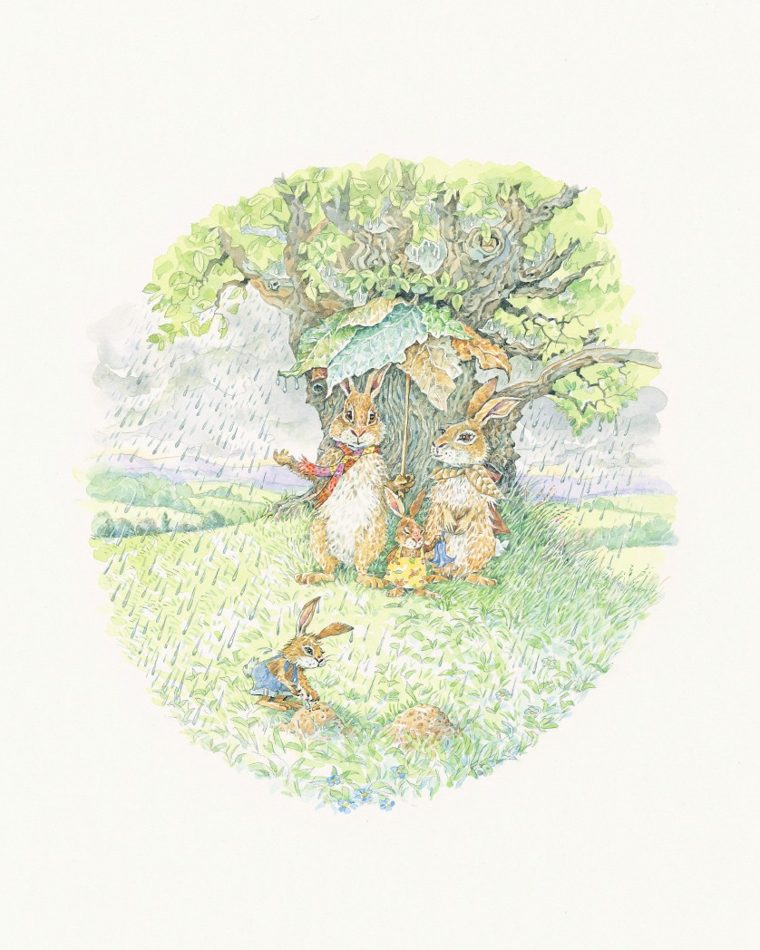
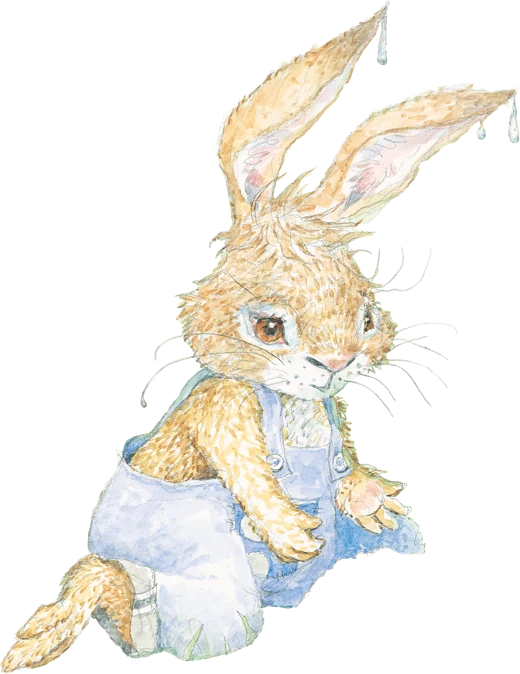
ממש כמו הארנבון, וכמו שהארנבונת טמנה באדמה את כל האין־פלאים.
ומה קרה לחיים שהיו בו? את זה אנחנו לא יודעים בוודאות.
אפשר לחשוב שהם חזרו אל מקור הפלאים, שאולי נמצא בכל מה שסביבנו: בשמיים, באדמה, ברוח או במנגינה.
ואפשר לספר לילד במה אתם מאמינים במשפחה שלכם. אפשר גם לזמזם יחד מנגינה.
למה את בוכה?
אני בוכה כי אני עצובה על התינוק ומתגעגעת אליו.
זה לא בגללך. גם כשאני עצובה, אני כאן איתך, ואני כל כך שמחה להיות איתך.
אם אשאל על התינוק, אמא תהיה עוד יותר עצובה?
יכול להיות שאמא תבכה כשמדברים עליו. זה בסדר.
השאלה שלך לא גורמת לעצב שלה. מותר לך לדבר עליו ולשאול עליו.
גם אני אמות? גם את? אתם?
כל מי שחי מת יום אחד.
בדרך כלל ילדים גדלים, נעשים מבוגרים וחיים עוד הרבה מאוד שנים עד שהם זקנים. אני כאן איתך עכשיו, ואני מצפה להיות איתך עוד הרבה הרבה הרבה זמן.
מה שקרה לתינוק לא אומר שזה עומד לקרות לך או לי.
זה יכול לקרות שוב?
כן, היריון יכול להיפסק גם פעם נוספת. ברוב ההריונות זה לא קורה.
אם יהיה היריון נוסף, הרופאים יטפלו באמא ויעקבו אחר ההיריון.
יהיה לנו תינוק אחר במקומו?
לא יהיה תינוק אחר במקומו.
יכול להיות שבעתיד יהיה לנו עוד תינוק. הוא יהיה ילד אחר.
״נודה על כל מה שקיים, ונקווה לכל מה שעוד יתקיים ביום מן הימים״
מותר לי לשחק ולשמוח?
כן.
אפשר להיות עצובים ואחר כך לשחק, לצחוק או לחשוב על משהו אחר. גם ילדים וגם מבוגרים עוברים בין רגשות שונים.
ואם אני בכלל לא עצוב?
גם זה בסדר.
אין רגש אחד שצריך להרגיש. אפשר להיות עצוב, כועס, מבולבל, סקרן, או לא להרגיש משהו מיוחד כרגע. אפשר לשחק, לצייר או לצאת לטייל.
אפשר לשאול על זה שוב?
כן.
אפשר לשאול עכשיו, מחר, בעוד שבוע או בעוד הרבה זמן.
ולפעמים התשובה תהיה אותה תשובה בדיוק.


אני כאן:
יש שאלה שתרצו עליה מענה? תרצו לכתוב על ההתנסות שלכם, או להוסיף הערה?
חיבוק,
דנה
Wonder No Wonder
A companion page for parents
and for everyone who reads the book
An illustrated children’s book for talking about pregnancy loss, and the things in nature that don’t come to be
If you’re reading this after a pregnancy loss, at any stage and under any circumstances, first of all, I’m so sorry for your loss. I’ve been there. I remember how everything overwhelmed me, even the accidental touch of my own hand on my belly, even the word itself.
In the middle of that storm, some of us also have to tell young children what happened. It’s a moment when words are hard to find.
That’s why this story was born, and this page in particular.
When I told it to my daughters, they understood almost without asking. When I told them that our baby girl wouldn’t be coming into the world, the tears just ran down my face. My six-year-old, who had just heard the story, looked at me and said, “That’s how it is in nature.”
She used words from the story at exactly the right moment. The story gave her a clear frame to process and understand.
Here I’ve gathered questions children may ask afterward, along with short answers you can simply take and say. I prepared them with the professional guidance of Yossi Guetta, an educational psychologist and my colleague in educational work, in the hope that they’ll help in the moments when it’s hard to find the words on your own.
My daughters mostly asked where she was. Then they wanted a hug, and wanted Mom to be there with them and hear about their day at kindergarten and school, and they went right back to their own world. Sometimes that’s all it takes.
If your child asked a question that isn’t here, you’re welcome to add it. I’d also love to hear how the conversation went: what helped, what helped less, and what you needed but didn’t find here. Your feedback will help me shape this page for other parents who come to this moment.
So here it is. It’s here for you now. This is my virtual hug to you.
D. Weiss
Before the questions
A few guiding principles
Children listen not only to our words, but to the way we say them.
You don’t need to be completely calm, and you don’t need to hide sadness or tears. It’s okay to cry, and it’s okay to say this is hard. You don’t need to know everything, either. That’s why the father in the story says he doesn’t know, and offers possibilities instead. What matters most is that, as much as possible, your child feels that the grown-up in front of them can stay with them in the conversation, hear the question, and hold even what has no answer.
You don’t need to explain everything at once. You can answer only what was asked, simply and in a few words (that’s exactly what the words further down this page are for). If the same question comes back, you can answer it again, and you can use words or scenes from the story.
The story offers a way to understand something complicated: in nature, some processes keep developing and come to be, and some stop along the way. That’s part of nature. The wonder and the no-wonder happen all around us, all the time. And no one is to blame. A pregnancy is one of these processes, too.
Terms from the story
Definitions that may help you answer
What is a womb?
The womb is the place in Mom’s body where a baby grows during pregnancy.
What does “never reached my arms” mean?
Our arms, our embrace, are the place close to our body when we hold and hug someone.
“Never reached my arms” means that the baby was in Mom’s belly, but died before being born, and never came alive into our arms and our hug.
What does it mean when a pregnancy stops?
A pregnancy begins when a tiny baby starts to grow in the womb. Sometimes the development stops, and the baby dies before it is born. That’s what people mean when they say a pregnancy stopped.
In children’s words
Questions children ask
Why wasn’t the baby born?
The baby started to grow and develop in Mom’s belly, but at some point the baby’s body stopped working, and the growing stopped before the baby was born.
Why did it happen?
Sometimes the doctors know why it happened, and sometimes they don’t.
In nature, not every process that begins goes all the way to the end. Sometimes a bud doesn’t bloom, sometimes an egg doesn’t hatch, and sometimes a pregnancy that began stops, too.
If we don’t know why it happened, you can simply say, “We don’t know.”
Did it happen because of me?
No.
Nothing you thought, said, or did caused this.
Even if you felt angry or jealous, or thought you didn’t want a brother or sister, those thoughts and feelings did not make the baby die.
And Mom didn’t cause it, either. She didn’t do anything wrong.
What does it mean that the baby died?
It means the baby’s body stopped working.
The baby doesn’t breathe, grow, or feel anymore, and can’t come back to life.
Does it hurt? Is the baby cold? Scared?
No.
When a body dies, it doesn’t feel pain, cold, fear, or hunger anymore.
Where is the baby now?
About the body, you can tell your child simply what happened in your family. If the baby was buried, you can say, “The baby’s body is buried in the earth.”
Just like the little rabbit, and like the little bunny who buried all the no-wonders in the ground.
And what happened to the life that was in the baby? We don’t know that for sure.
We can imagine it went back to the source of all wonders, which may be in everything around us: in the sky, in the earth, in the wind, or in a melody.
You can also tell your child what your family believes. And you can hum a melody together.
Why are you crying?
I’m crying because I’m sad about the baby, and I miss the baby.
It’s not because of you. Even when I’m sad, I’m here with you, and I’m so happy to be with you.
If I ask about the baby, will Mom get even sadder?
Mom might cry when you talk about the baby. That’s okay.
Your question doesn’t cause her sadness. You’re allowed to talk about the baby and ask about the baby.
Will I die too? Will you? All of you?
Everyone who lives dies one day.
Usually children grow up, become adults, and live for many, many more years until they’re old. I’m here with you now, and I expect to be with you for a long, long, long time.
What happened to the baby doesn’t mean it’s going to happen to you or to me.
Can it happen again?
Yes, a pregnancy can stop again. In most pregnancies, it doesn’t happen.
If there’s another pregnancy, the doctors will take care of Mom and keep a close eye on the pregnancy.
Will we have a different baby instead?
There won’t be another baby instead of this one.
Maybe one day we’ll have another baby. That will be a different child.
“Let us be thankful for all that is, and hope for all that may yet be, one day.”
Am I allowed to play and be happy?
Yes.
You can be sad and then play, laugh, or think about something else. Children and grown-ups both move between different feelings.
What if I’m not sad at all?
That’s okay, too.
There’s no one feeling you’re supposed to have. You can be sad, angry, confused, curious, or not feel anything special right now. You can play, draw, or go for a walk.
Can I ask about it again?
Yes.
You can ask now, tomorrow, next week, or a long time from now.
And sometimes the answer will be exactly the same.
I’m here:
Is there a question you’d like answered? Would you like to share your experience, or add a note?
With a hug,
D. Weiss